Building date: 1840
Original use:
Corner structures:
Mortar application and content:
Types and uses of stones: Three rows of cobblestones per quoin
Types and choice of windows:
Structures with similar masonry details:
Masons who worked on building:
Unique features:
Map views courtesy Google Maps. Address is Google Earth confirmed; 42°57'24.58"N 78°35'33.84"W. Current owner of record, Renkas as of the 2019 Tax Roll.
Town of Clarence and Erie County Map
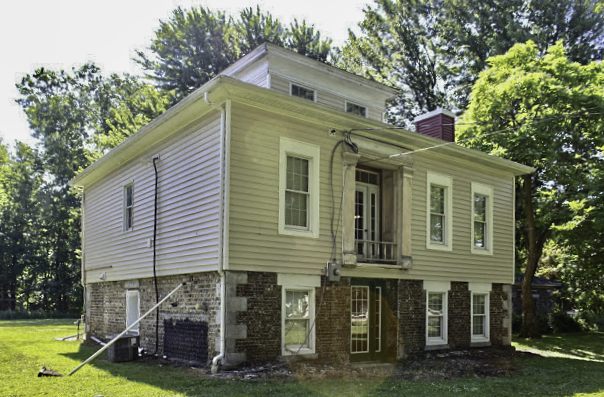
This house at 4055 Ransom Road in Clarence is a composite Greek Revival cobblestone and wooden frame structure, built about 1840. The four-bay house is two stories topped by a large cupola with two six-light windows. The cobblestone construction, of field stone, is three rows to the limestone quoin, first floor only.
Built at the height of the Greek Revival era, this house is representative of a rarer house type known as the Greek Revival Cottage. Such cottages always featured a large belvedere (cupola) on a broad hipped roof (4 slopes) and were built on a square plan, rather than the more traditional deep rectangular classical temple plan. Some were low to the ground with a wrap-around verandah (Regency Cottage type), while others, like this one, were built elevated on a stone base with a grand stairway leading to the prestigious front door.
Sadly this grand wide stairway has been removed, giving the house an awkward look. This important feature could be easily restored. What is especially distinctive with this Greek cottage is the cobblestone base. This lower floor would have served as a service area for the family above (cooking, laundry), with perhaps a cool summer bedroom or two as well. It is the only Greek Revival house with a cupola in Erie County.
The Spring House behind is a real rarity, perhaps the only one left in New York. It echoes the house in a much simpler version and is built entirely of cobblestone. Its purpose is to capture the fresh cool water of a local ground spring and use it to keep food cool in pre-mechanical refrigeration days. The fact that it survives today, intact, is nothing short of a miracle.
The larger field cobbles are carefully laid and tooled. The raking light on the quoins shows the horizontal rows of vertical chisel marks with occasional craters from prior coarser tools like a pick and a pointed chisel used for initial rough shaping. The front wall with smaller field cobbles very refined. Richard Palmer email 6/28/2020.
The adjacent cobblestone root cellar or “spring house” the only one known to exist. Richard Palmer blog.
Editor's Note: Known as Christman House in 1972.
- "The Era of Cobblestone Architecture", unpublished manuscript 1972. To access the manuscript content about this structure, see 5. Erie County, Christman House and Milkhouse, 4055 Ransom Rd. This structure is not included in the subsequent book "Cobblestone Landmarks of New York State", 1978.
 1854 Erie County Map Excerpt.jpg 4 Click link to enlarge. | 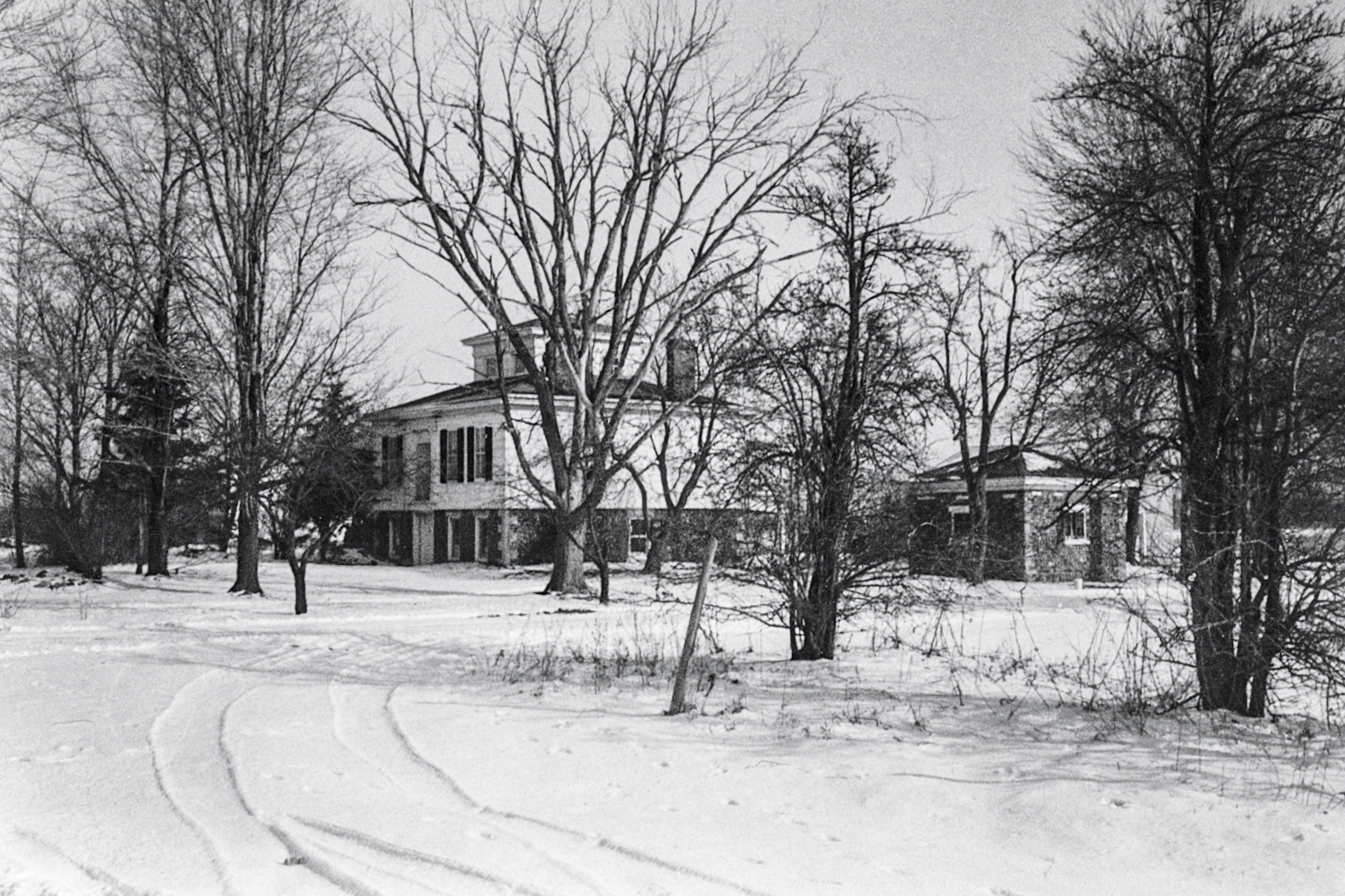 Cla-1 Renkas House.jpg ¹ January 1972 | 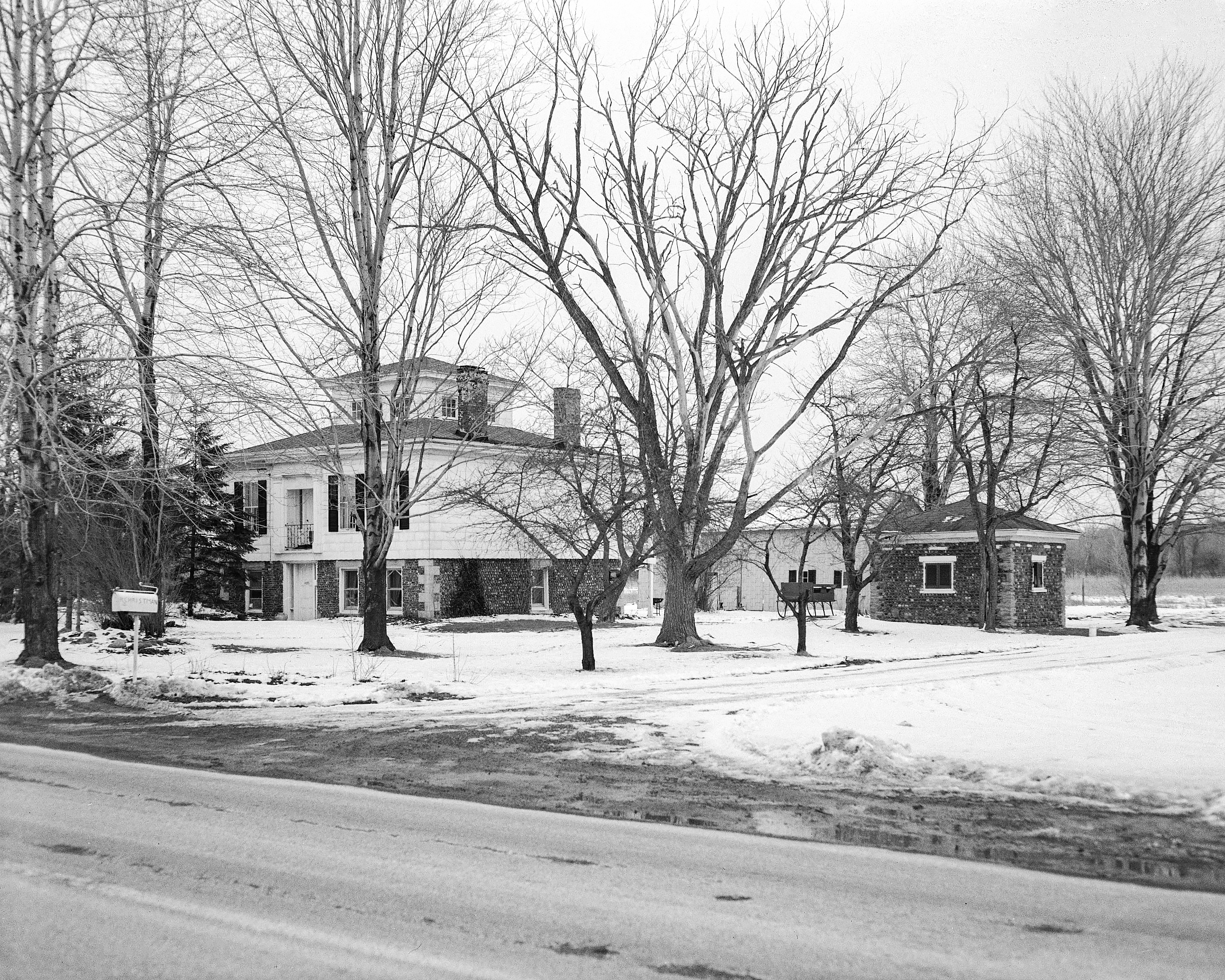 GP Erie Clarence Cla-1_2 N.jpg ² 1/2/1972 Owner P. Christman | 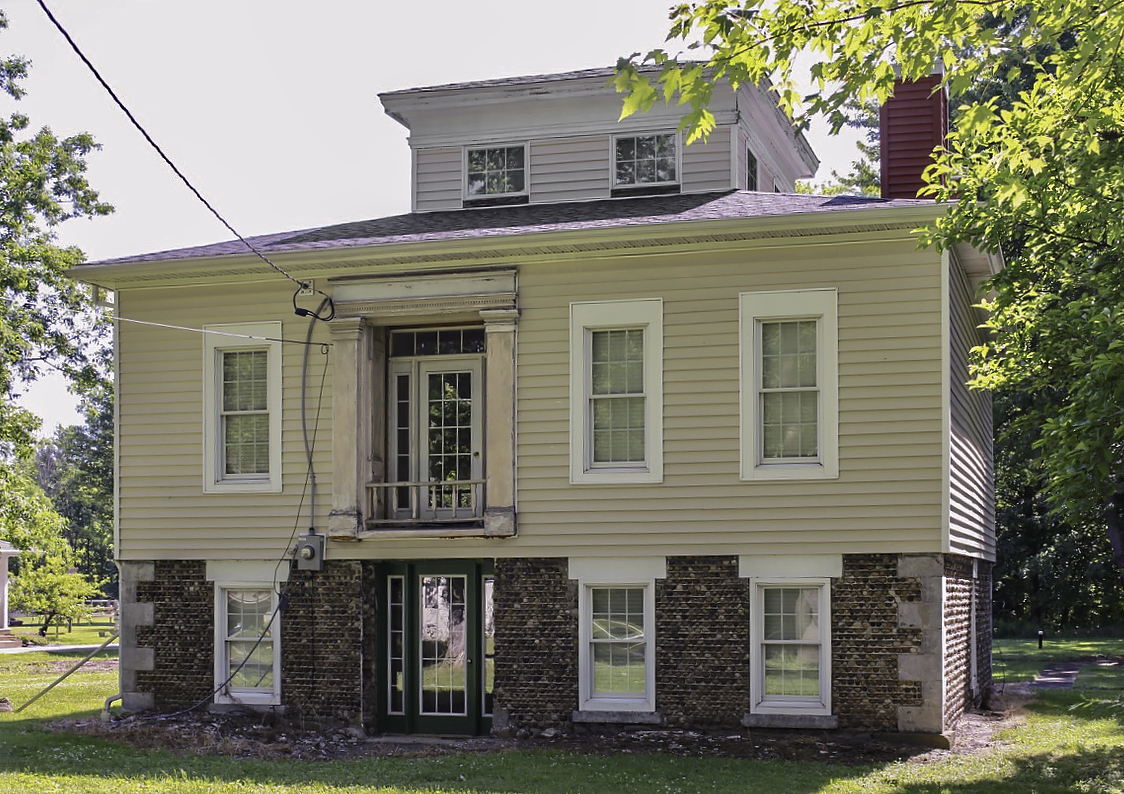 IMG_4192.jpg ³ |
 IMG_4201.jpg ³ | 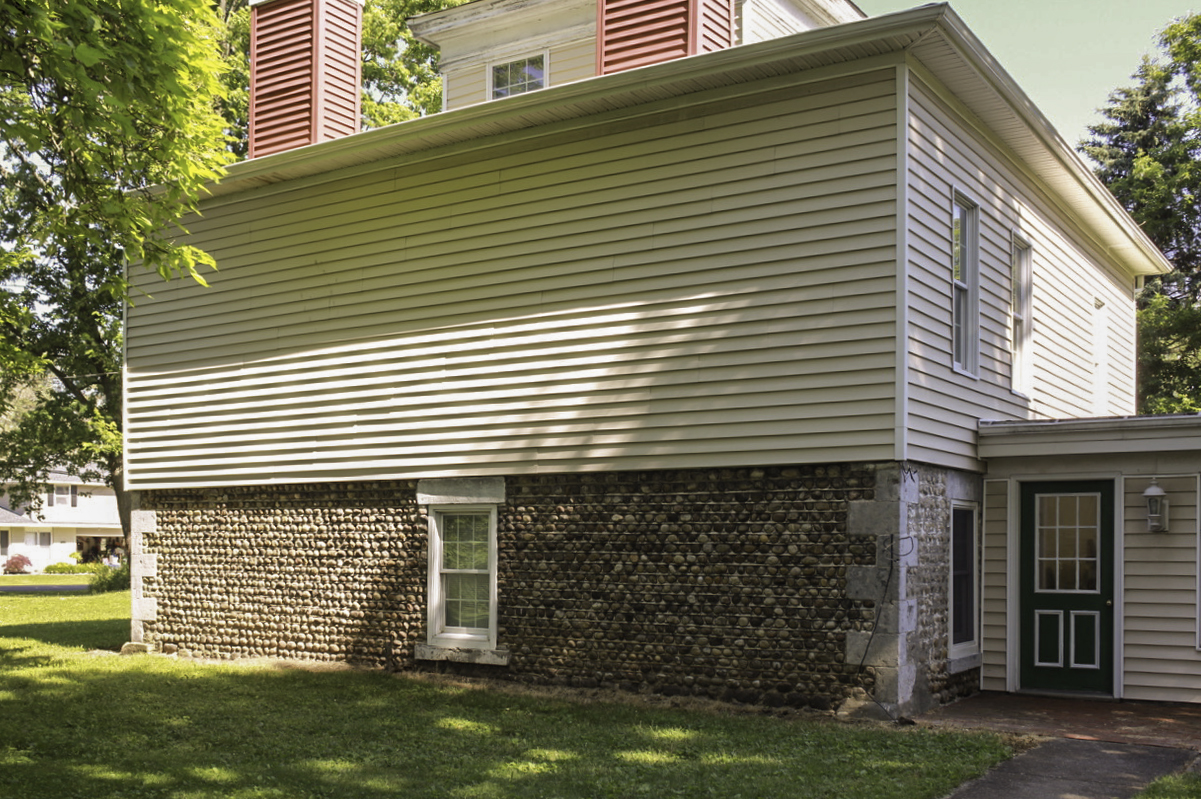 IMG_4198.jpg ³ | 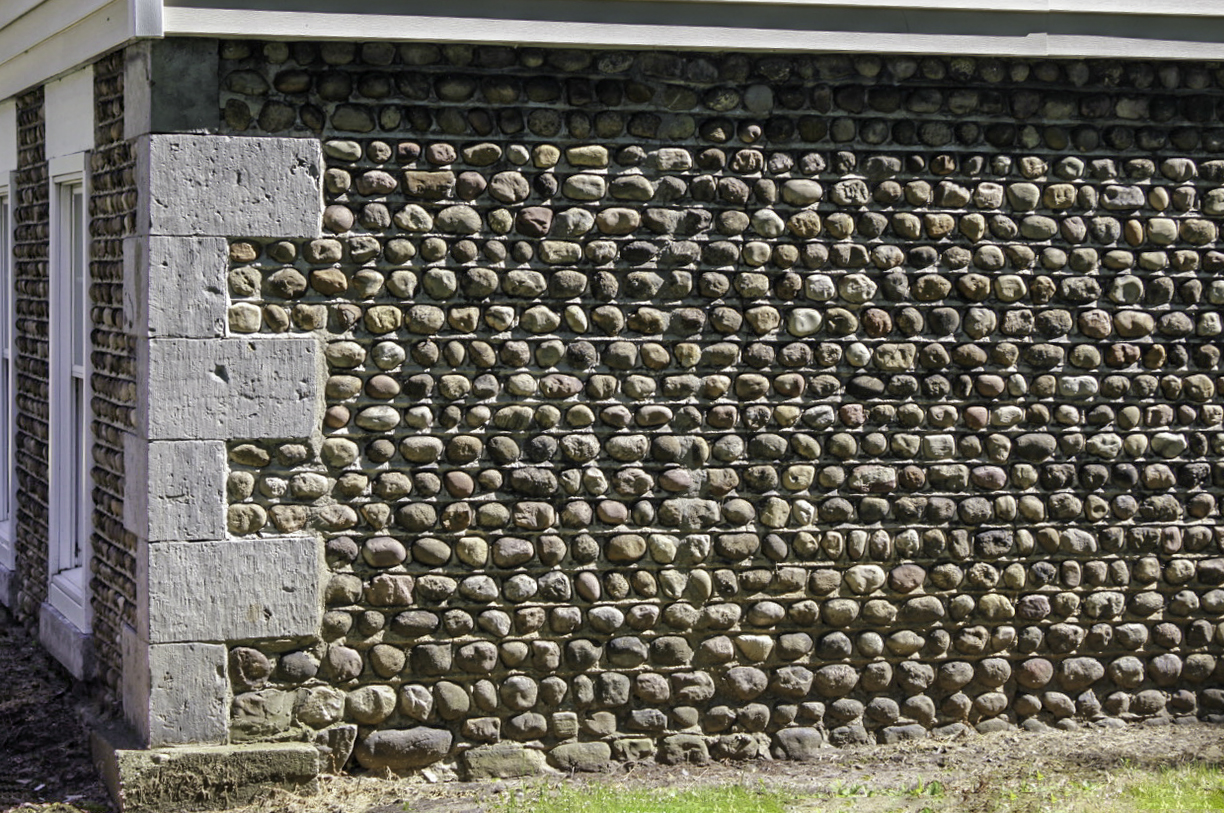 IMG_4193 2-1.jpg ³ | 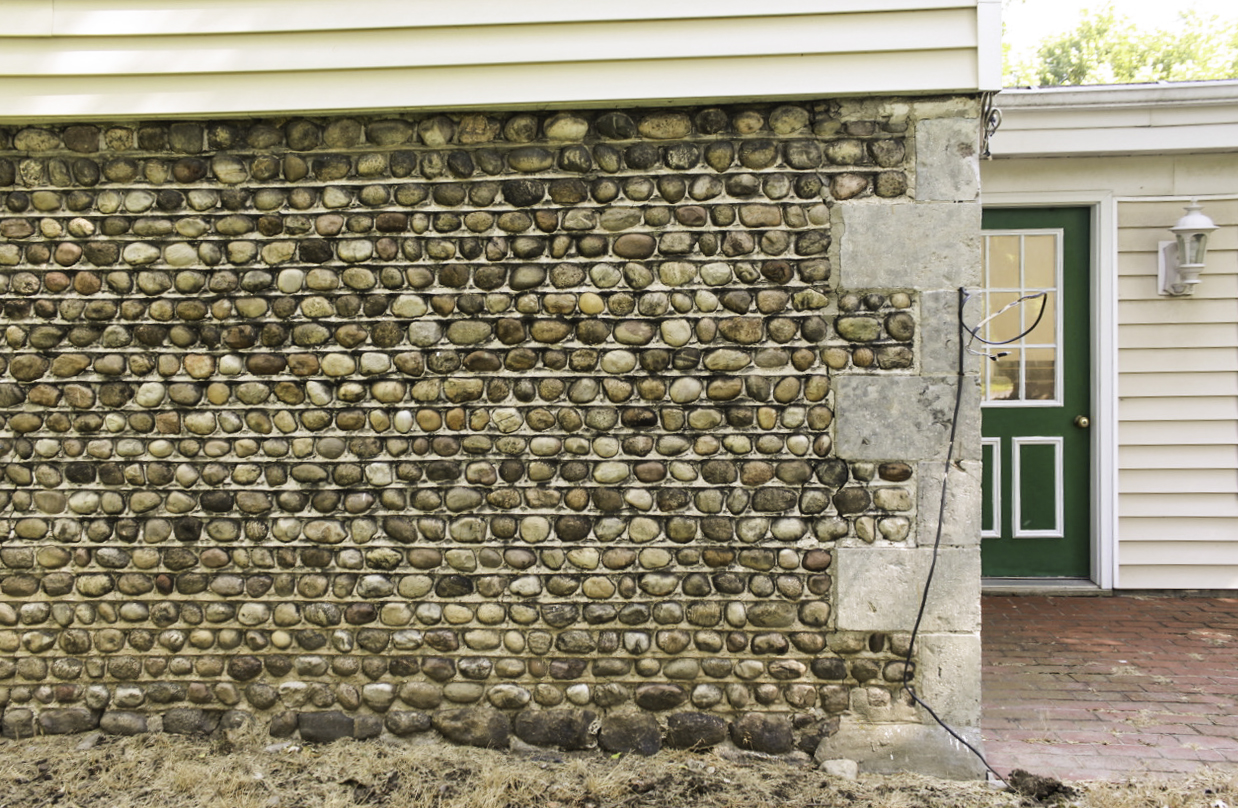 IMG_4199 2.jpg ³ |
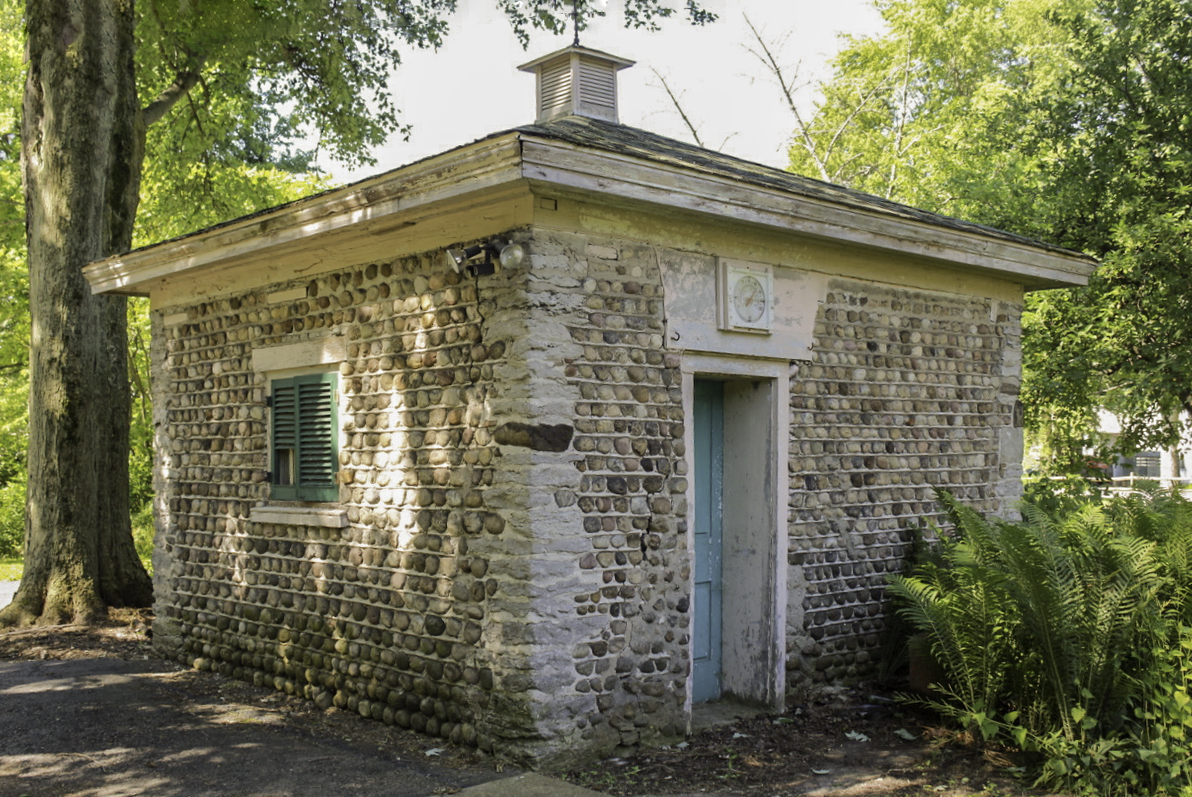 IMG_4194.jpg Spring House ³ The adjacent cobblestone root cellar or "spring house" is the only one known to exist. | 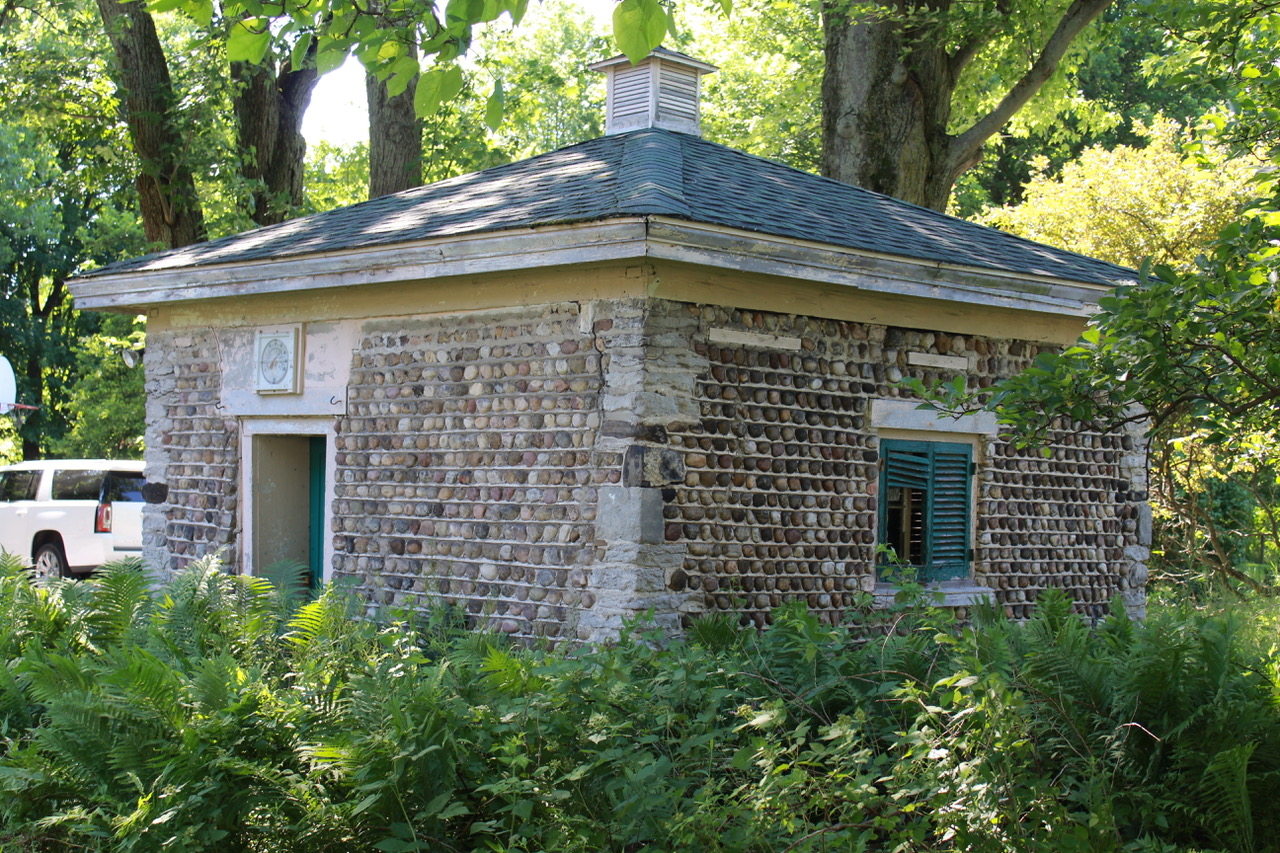 IMG_4200.jpg Spring House ³ | 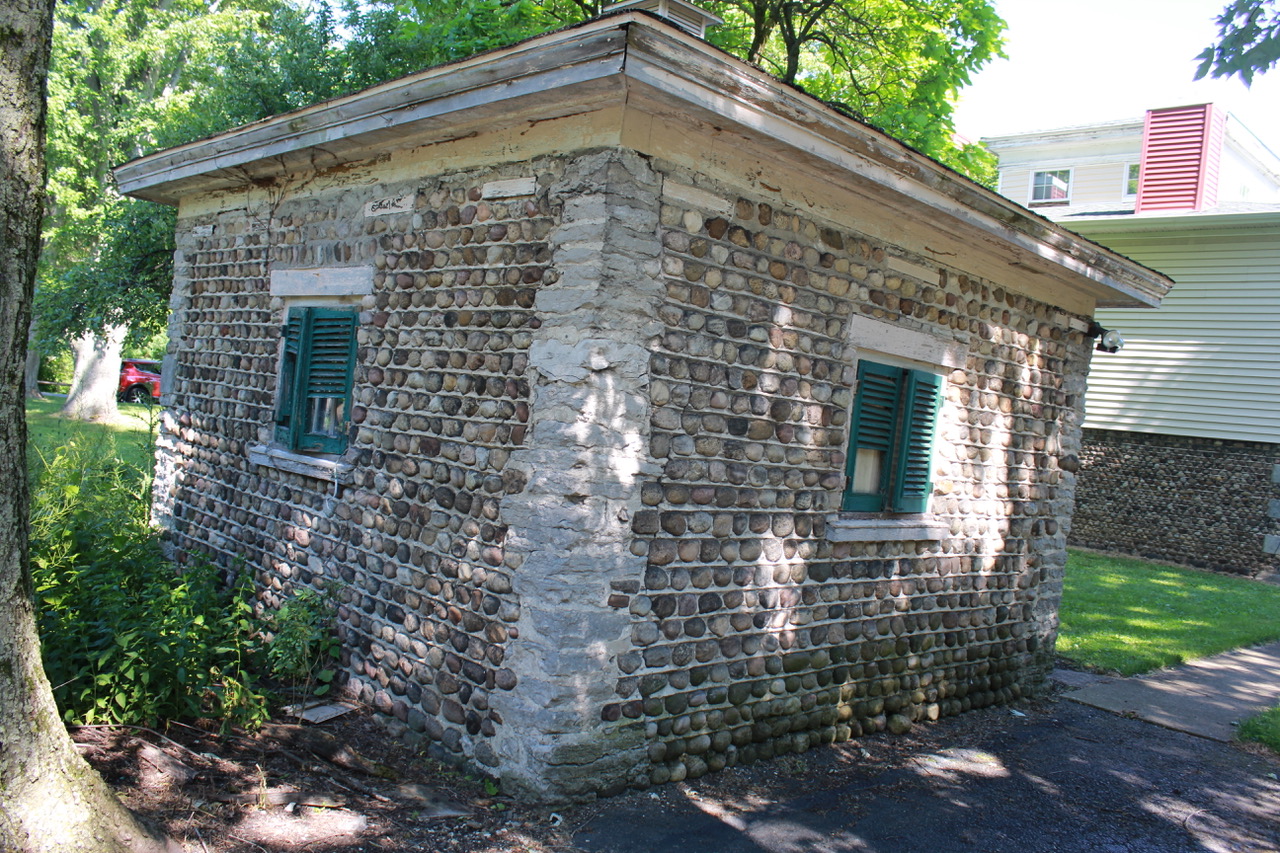 IMG_4196.jpg Spring House ³ |
¹ Image courtesy Cobblestone Museum
² Image courtesy Gerda Peterich.
³ Photography courtesy Richard Palmer.
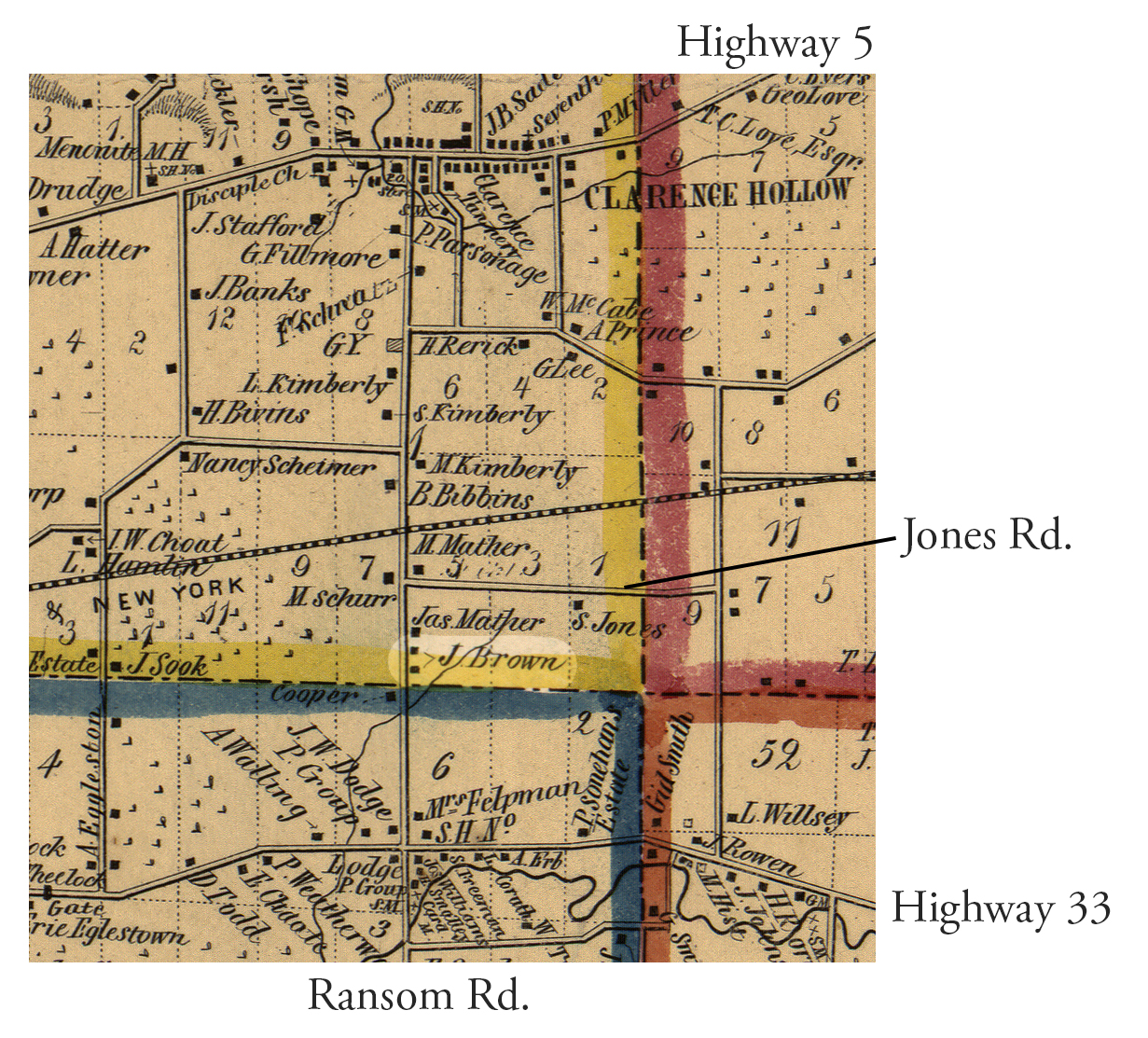
4 1854 Erie County Map excerpt courtesy Library of Congress. Believed location of cobblestone structure and owner in 1854
